
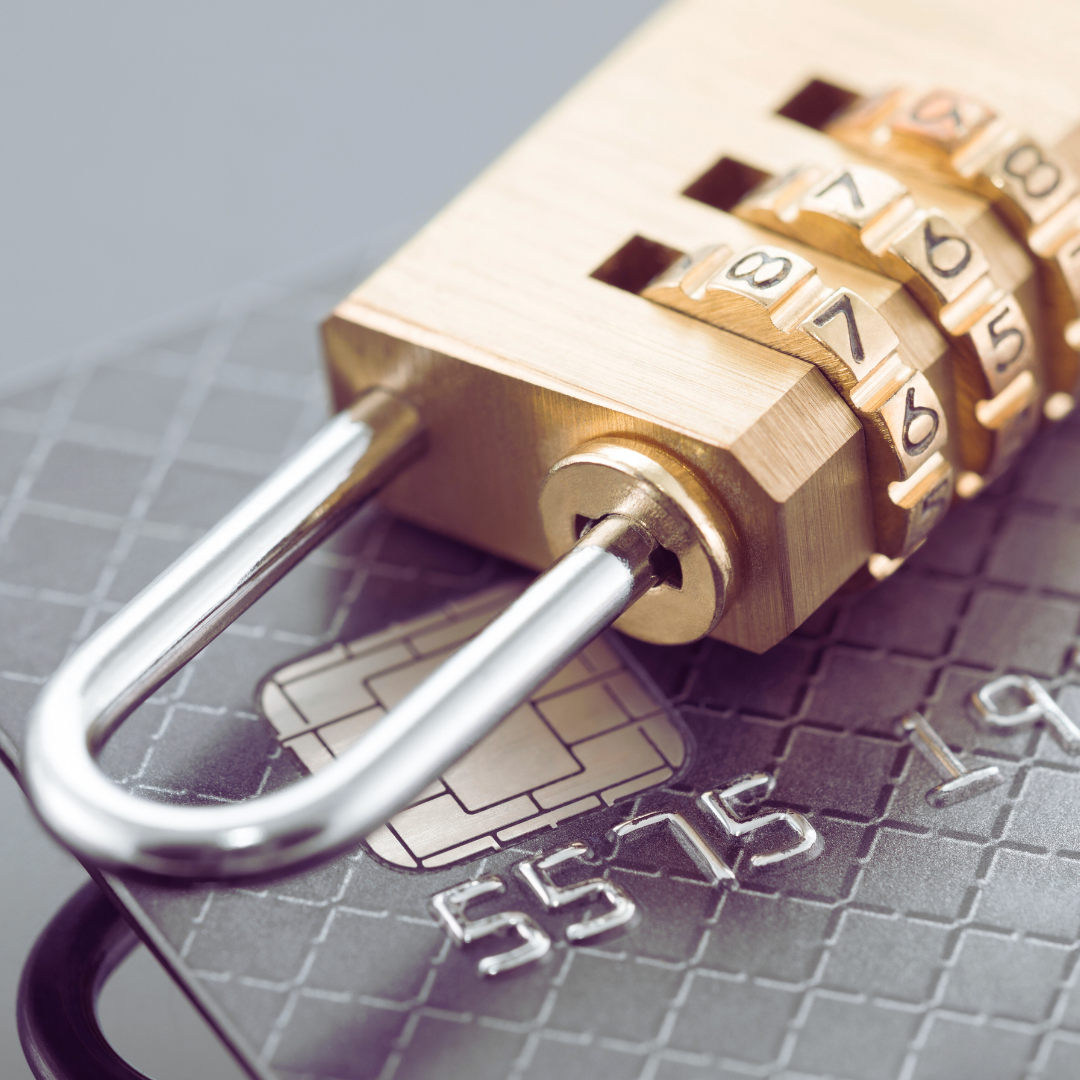
Credit card safety is a crucial topic for anyone who uses these financial tools in their daily lives. Protecting oneself against credit card fraud and identity theft involves understanding how unauthorized transactions can occur and implementing measures to prevent them. By being vigilant and informed, individuals can safeguard their financial information and reduce the risk of falling victim to common scams.
Fraud protection is an essential aspect of managing credit cards. Many credit card issuers provide features like alerts for unusual activity and zero-liability policies, which protect cardholders from unauthorized charges. Understanding these protections can make a significant difference in a person’s financial security and peace of mind.
Staying aware of credit card safety practices not only protects personal finances but also enhances overall confidence when using credit cards for transactions. Knowledge of the signs of card fraud and being proactive about monitoring accounts can greatly reduce the chances of experiencing financial loss.
Understanding Credit Card Security Features
Credit card security features are essential in safeguarding personal and financial information. These tools and practices help prevent unauthorized access and fraud.
The Role of PIN and CVV
Every time you make a purchase online or at a store, small codes on your credit card play a big role in keeping your money safe. That credit card code acts as a security feature, helping protect cardholders from unauthorized transactions by verifying that the person making the purchase is authorized to use the card. A Personal Identification Number (PIN) is one such code, used to authenticate transactions at point-of-sale terminals and add an extra layer of security beyond just having the physical card. Another is the Card Verification Value (CVV), a three- or four-digit number found on the back of a card, primarily used for online transactions. The CVV ensures that even if someone has your card number, they cannot make purchases without access to the card itself. Understanding and correctly using these codes is essential for safeguarding financial information. When combined with other security practices, careful handling of PINs and CVVs significantly reduces the risk of fraud and helps cardholders maintain control over their accounts.
Two-Factor & Multi-Factor Authentication
Two-factor authentication (2FA) requires users to provide two forms of identification before accessing their accounts. This can include something they know (like a password) and something they have (such as a mobile phone). Multi-factor authentication (MFA) takes this further by adding an additional layer. MFA might incorporate biometrics, like fingerprint recognition, alongside the other methods. These security processes significantly reduce the risk of unauthorized access to credit card accounts and facilitate safer online transactions.
Card Lock and Fraud Alerts
Many financial institutions offer a card lock feature that allows cardholders to temporarily disable their cards. This is especially useful if the card is lost or stolen. By locking the card, the cardholder can prevent fraudulent transactions until the card is found or replaced. Additionally, fraud alerts notify cardholders of suspicious activities on their accounts. These alerts can be sent via text or email, allowing individuals to respond quickly to potential threats and minimize financial loss.
Virtual Card Numbers
Virtual card numbers provide an alternative for online shopping, protecting the actual card number. A virtual number is typically generated by the card issuer and can be used for a specific transaction or time period. This minimizes exposure to fraud, as the real card number remains hidden. Virtual cards can also limit spending on specific merchants or transactions, adding another layer of control for cardholders. Using virtual card numbers helps maintain privacy while engaging in online purchases.
Best Practices for Credit Card Usage
Ensuring credit card safety involves adopting effective strategies for online shopping, safeguarding card information, and using digital wallets securely. Each practice plays a crucial role in protecting personal financial data and reducing the risk of unauthorized transactions.
Secure Online Shopping
When shopping online, it is vital to choose secure websites. Look for URLs that start with “https://” instead of “http://”. The “s” indicates that the site uses encryption to protect data.
Utilizing unique passwords for each account reduces vulnerability. Passwords should include a mix of letters, numbers, and special characters. Enabling two-factor authentication adds an extra layer of security.
Before making a purchase, readers should review the site’s terms and conditions, especially regarding returns and privacy policies. Also, avoid saving credit card information on retail websites to minimize exposure.
Protecting Your Card Information
To protect card information, keep personal details confidential. Avoid sharing credit card numbers through email or text messages, as these channels are not secure.
Monitoring account statements for unauthorized transactions is essential. Regular account alerts can notify users of any suspicious activity immediately, allowing for prompt action.
Using a Virtual Private Network (VPN) when connecting to public Wi-Fi enhances security. Public networks can be risky, as they are vulnerable to data interception.
Utilizing Digital Wallets Safely
Digital wallets offer convenience, but users must utilize them wisely. Keeping the wallet app updated helps prevent security breaches.
When making contactless payments, maintain a clear physical distance from others to prevent skimming devices. Monitor the wallet app for unauthorized transactions, as they can occur without requiring a physical card.
Users should set up passcodes or biometric locks on their digital wallets to further protect access. Regularly reviewing security settings within the app also contributes to safety.
Responding to Credit Card Threats
Prompt action is crucial when dealing with potential credit card threats. Understanding how to identify fraudulent transactions, knowing one’s rights, and monitoring credit reports are essential steps to safeguard personal finances.
Identifying and Reporting Fraudulent Transactions
To protect against credit card fraud, vigilance is key. Individuals should review their statements regularly for any unauthorized charges. Common signs include unfamiliar transactions, charges for subscription services not used, or amounts that seem incorrect.
If fraud is suspected, a prompt report to the credit card company is necessary. Most companies have dedicated fraud departments and 24/7 customer service lines.
Steps to report:
- Contact the credit card issuer immediately.
- Provide details of the suspicious transactions.
- Follow up to ensure the issue is resolved.
Document everything for future reference.
Understanding Your Rights Under the Fair Credit Billing Act
The Fair Credit Billing Act (FCBA) offers protection against unfair billing practices. Under this act, individuals have the right to dispute unauthorized charges. They can also report billing errors, such as charges for goods or services not received.
When filing a dispute, individuals must act within 60 days of receiving the statement containing the error. The credit card issuer must acknowledge the dispute within 30 days and investigate.
It’s important to clearly communicate all relevant information. Keeping records of correspondence will facilitate the process.
Credit Report Monitoring for Suspicious Activity
Regular monitoring of credit reports helps detect signs of fraud. Individuals should obtain free annual credit reports from each of the three major credit reporting agencies. This allows a comprehensive review of all accounts and associated activities.
Look for:
- Accounts opened without consent.
- Inaccurate personal information.
- Inquiries from lenders that were not authorized.
If suspicious activity is identified, it should be reported immediately. This can involve placing a fraud alert on the credit report to warn potential creditors.
Maintaining awareness and proactive monitoring can significantly reduce the risks associated with credit card threats.
Maintaining Your Credit Health
Maintaining credit health is crucial for financial stability. Individuals should regularly check their credit history to ensure accuracy. Discrepancies should be reported promptly to the relevant financial institution.
Using paperless statements can help individuals manage their accounts more effectively. It reduces clutter and allows for easier tracking of transactions and payments.
Being mindful of marketing offers is important. Promotions can entice individuals to apply for multiple credit cards, which may negatively impact their credit score. Limiting applications to essential accounts can preserve credit health.
Identity protection services are valuable tools in safeguarding personal information. These services can alert individuals to unauthorized activities, adding an extra layer of security to their financial profile.
Additionally, utilizing cash-back rewards can be beneficial. This encourages responsible spending and can improve overall financial management. It’s important for individuals to stay informed about their rewards programs to maximize benefits.
Regularly monitoring credit utilization is another key factor. Keeping utilization below 30% of available credit helps maintain a positive credit standing. This shows lenders that individuals manage their credit responsibly.
Engaging with these strategies ensures a well-rounded approach to credit health. Individuals who take proactive measures tend to have better financial outcomes.

Leave a Reply