
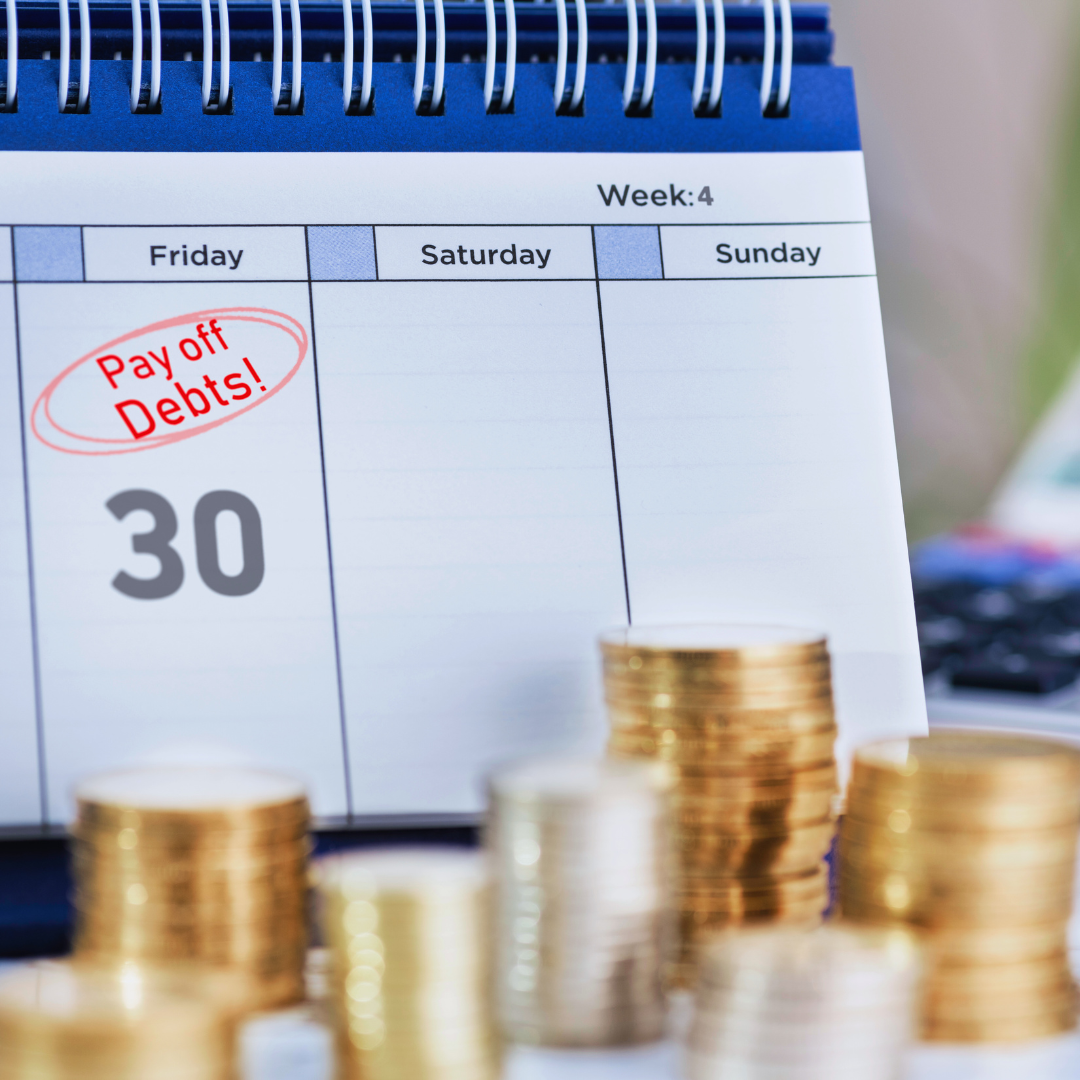
Many individuals face the challenge of managing their financial situations, often weighed down by debt that seems insurmountable. To pay off debt faster, creating a structured repayment plan that prioritizes high-interest debts can significantly reduce the total amount owed. Establishing specific financial goals, along with a disciplined budget, enables individuals to allocate resources effectively towards debt repayment.
Exploring various strategies, such as the snowball or avalanche methods, allows for tailored approaches based on personal preferences and circumstances. By finding ways to increase income, such as side jobs or freelance opportunities, they can expedite their journey toward financial stability. With determination and informed decision-making, paying off debt becomes an achievable goal.
Assessing Your Debt
To effectively manage debt, it is crucial to understand the total amounts owed, the associated interest rates, and the best repayment strategies. This detailed assessment helps in formulating a structured plan for debt elimination.
Identifying Debt Amounts
The first step is to compile a list of all debts. This includes credit card debt, student loans, and any other outstanding balances. Each entry should detail the total amount owed, the minimum payments, and due dates.
Creating a table can simplify this process:
| Creditor | Amount Owed | Minimum Payment | Due Date |
| Credit Card A | $3,000 | $100 | 1st of Month |
| Student Loan B | $15,000 | $200 | 15th of Month |
Identifying debt amounts provides a clear picture of financial obligations and aids in strategizing repayment plans effectively.
Understanding Interest Rates and Fees
Interest rates significantly influence total repayment costs. They vary across loans, with high-interest debt, such as credit cards, accruing more over time.
It is essential to gather:
- The interest rate for each debt
- Any additional fees associated with the debts, such as late payment fees
Example:
- Credit Card A: 18% APR
- Student Loan B: 5% APR
This information helps determine which debts cost the most and informs choices about prioritization. High-interest debts should typically be tackled first to minimize overall expenses.
Prioritizing Debt Repayment
Once the amounts and interest rates are clear, prioritization strategies can be employed. Two popular methods are the Debt Avalanche and Debt Snowball methods.
- Debt Avalanche Method: Focuses on paying off the debt with the highest interest rate first, saving the borrower the most money in interest.
- Debt Snowball Method: Concentrates on paying off the smallest debts first, which can provide quick psychological wins.
Selecting a method aligns repayment efforts with personal financial goals and motivations. This approach can lead to more effective and sustainable debt management.
Creating a Budget to Accelerate Debt Payments
A well-structured budget can significantly enhance the speed at which one can pay off debt. Key elements include tracking income and expenses, reducing non-essential spending, and effectively allocating funds towards debt repayment.
Tracking Income and Expenses
Tracking income and expenses is the first step in creating a budget. It provides a clear picture of financial health. Individuals should list all sources of income, including salaries, bonuses, and side gigs.
Next, detail monthly expenses. This includes fixed costs like rent and utilities and variable expenses such as groceries and entertainment.
Using tools like spreadsheets or budgeting apps can facilitate tracking. A comprehensive understanding of cash flow helps identify areas to modify spending and directs focus towards paying off debts more aggressively.
Reducing Non-Essential Spending
After evaluating expenses, the next crucial step is to reduce non-essential spending. This involves identifying discretionary spending categories that can be adjusted without sacrificing quality of life.
Common areas to target include dining out, subscriptions, and impulse purchases. Individuals can set limits for these categories based on their budget.
Consider implementing a 30-day rule for non-essential purchases. Waiting can curb impulsive decisions and reduce overall spending, allowing more funds for debt payments. By consciously prioritizing necessary expenses, repayment becomes a more achievable goal.
Reviewing High-Cost Assets
Reducing everyday spending can free up money for debt payments, but larger assets deserve a separate review. A second vehicle, unused equipment, or a property that is sitting vacant may continue generating insurance, maintenance, tax, storage, or repair costs even when it provides little practical benefit.
Before selling anything valuable, compare the ongoing cost of keeping it with the consequences of letting it go. Selling an asset can generate cash, but the amount actually available for debt repayment will depend on any finance secured against it, transaction costs, taxes, and other obligations.
When the Unused Asset Is a Property
An unused house can be particularly expensive to retain because mortgage payments, property taxes, insurance, utilities, repairs, and routine maintenance may continue even when nobody is living there. Owners who have already decided to sell should compare the available selling methods rather than assuming that one route will suit every property.
For example, an owner in Texas researching a direct sale may come across services such as https://www.txcashhomebuyers.com/. A conventional listing, a direct buyer, or retaining the property can produce different financial outcomes, so likely proceeds, costs, timing, and the condition of the home should all be considered before making a decision.
A Direct-Sale Option for Greater Hartford Homeowners
The appropriate options also depend on where the property is located. Homeowners in Greater Hartford, Connecticut who have already decided that selling is the right step can compare a traditional listing with local direct-sale alternatives. Simply Sold RE buys homes directly across Greater Hartford and states that it purchases properties in as-is condition, including homes that need substantial repairs. A direct sale may reduce some preparation requirements, but owners should still compare the likely net proceeds and terms with their other available routes.
Selling a property should not be presented as an automatic solution to debt. It is a separate housing and financial decision that may make sense when an owner no longer wants or needs the property and has considered the wider consequences of selling.
Allocating Funds for Debt Elimination
Once non-essential spending is minimized, it is important to allocate surplus funds for debt elimination. Individuals should prioritize debts by interest rates, identifying high-interest loans for faster repayment.
One effective strategy is the avalanche method, where extra funds first address high-interest debts. Alternatively, the snowball method focuses on paying off smaller debts first for quick wins.
Setting specific payment goals helps maintain motivation. Individuals can schedule payments to align with pay periods, ensuring timely payments and reducing interest accrual. Using any bonuses or unexpected income for additional payments can further expedite the process.
Strategies for Paying Off Debt Faster
Paying off debt can be a daunting task, but certain strategies can significantly accelerate the process. Two popular methods, along with income-generating options, can help reduce debt more efficiently.
Debt Snowball vs. Debt Avalanche
The Debt Snowball method involves paying off debts from smallest to largest. This approach builds momentum as each small debt is eliminated quickly. It can provide psychological benefits, encouraging continued progress.
Conversely, the Debt Avalanche strategy targets debts with the highest interest rates first. This method minimizes total interest paid over time, potentially saving money in the long run. Individuals must choose the approach that aligns with their motivations and financial situation.
Utilizing Balance Transfers and Debt Consolidation Loans
Balance transfers allow individuals to move debt from a high-interest credit card to one with a lower rate, often with 0% interest for an introductory period. This strategy can help save money on interest and accelerate repayment.
A debt consolidation loan combines multiple debts into one single payment, often at a lower interest rate. This simplifies repayment and can lower monthly payments. It is essential to compare rates and terms before choosing the best option.
Exploring Extra Income and Side Hustles
Generating extra income can significantly enhance debt repayment efforts. Common methods include taking on a part-time job or starting a side hustle. Freelancing, selling homemade products, or offering services can provide additional funds.
These extra earnings can be directly applied to debt payments, accelerating payoff timelines. Individuals should assess their skills and time availability to find suitable opportunities.
Essential Considerations and Debt Relief Options
Addressing debt effectively involves understanding its implications on credit scores, recognizing when to seek relief options, and evaluating professional advice. Each aspect plays a crucial role in achieving financial stability.
The Impact of Debt on Credit Scores
Debt significantly influences credit scores, which are vital for obtaining future loans and favorable interest rates. High amounts of outstanding debt can lower credit scores, making it crucial to manage balances carefully.
Key factors affecting credit scores include:
- Credit Utilization Ratio: This is the percentage of available credit being used. Keeping it below 30% can help maintain a good credit score.
- Payment History: On-time payments contribute positively, while missed payments can lead to score reductions.
Monitoring credit reports regularly allows an individual to track and rectify any discrepancies, potentially improving their credit profile.
When to Consider Debt Relief or Bankruptcy
Determining the right time for debt relief options, including bankruptcy, requires careful consideration. Individuals should evaluate their financial situation, including income, expenses, and total debt.
Signs that debt relief might be necessary include:
- Inability to meet monthly payments on debts.
- Debt amounts surpassing income, leading to persistent financial stress.
- Using savings to cover basic living expenses due to overwhelming debt obligations.
Bankruptcy can provide a fresh start but has long-lasting effects on creditworthiness. Weighing the long-term consequences is essential before proceeding. Discussing this choice with a legal professional who can provide help filing Chapter 13 bankruptcy in West Virginia (or elsewhere) is a good way to assess whether this is the right course of action to take.
Seeking Professional Financial Advice
Professional financial counseling can provide personalized guidance tailored to an individual’s unique situation. Credit counseling agencies offer resources to manage debt effectively, often at low or no cost.
Benefits of seeking professional advice include:
- Budgeting assistance, enabling more effective tracking of income and expenditures.
- Debt management plans that consolidate payments and may reduce interest rates.
- Access to educational resources about credit, saving, and debt reduction strategies.
Engaging with a certified financial advisor ensures a structured approach to overcoming debt while equipping individuals with knowledge for future financial decisions.

Leave a Reply