
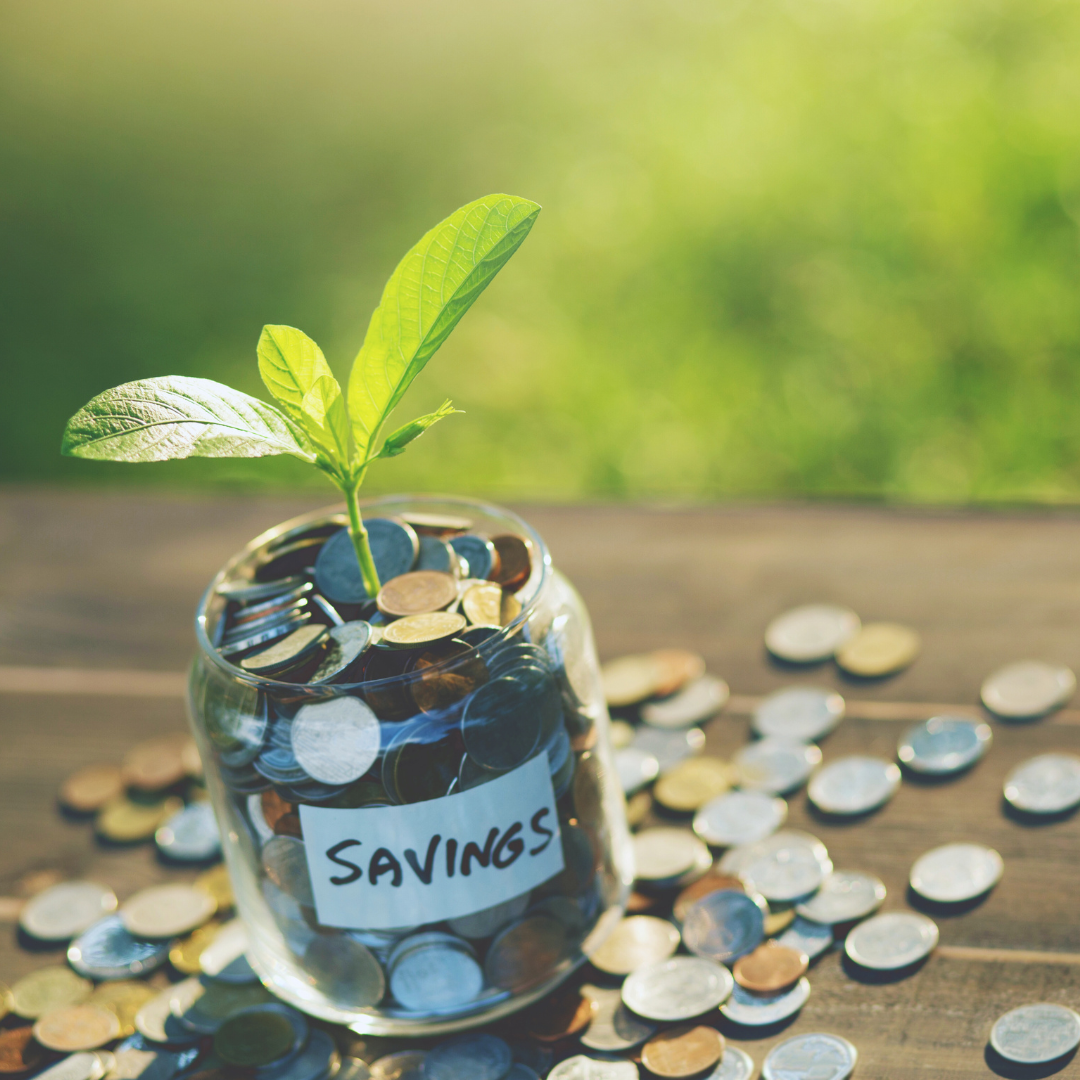
Building long-term wealth requires more than just earning a high income; it involves cultivating effective money-saving habits that lay a strong financial foundation. Individuals who consistently practice discipline in saving and spending are much more likely to achieve financial freedom. By strategically managing expenses and prioritizing savings, they create opportunities for investment and growth.
In today’s fast-paced world, it is easy to overlook the importance of budgeting and mindful spending. However, recognizing the value of each dollar spent can lead to significant long-term benefits. Developing habits such as tracking expenses and setting savings goals empowers individuals to make informed financial decisions that contribute to their wealth-building journey.
The road to financial independence is paved with intentional choices and sustainable practices. Committing to small, manageable changes today can yield considerable rewards in the future. Embracing these habits not only secures financial stability but also opens doors to greater opportunities and wealth accumulation.
Understanding Money Management Basics
Effective money management is essential for building long-term wealth. Key components include setting clear financial goals, creating a structured budget, and understanding the role of credit cards in financial health.
Establishing Financial Goals
Setting financial goals provides direction and motivation. Individuals should define both short-term and long-term objectives. Short-term goals may include saving for a vacation or paying off debt, while long-term goals might focus on retirement or buying a home.
SMART goals are particularly useful. This acronym stands for Specific, Measurable, Achievable, Relevant, and Time-bound. For example, instead of saying “I want to save money,” a SMART goal would be, “I will save $5,000 for a vacation within one year.”
Tracking progress against these goals can help maintain focus and adjust strategies as necessary.
Creating a Budget
A budget is a financial blueprint that outlines income and expenses. By categorizing spending, individuals can identify areas to cut costs. Common categories include housing, transportation, food, and entertainment.
To create a budget, start by listing monthly income. Next, categorize and estimate monthly expenses. A simple formula to follow is:
- Income – Expenses = Savings
Regularly reviewing the budget allows individuals to make informed adjustments. Using budgeting tools or apps can aid in analyzing spending patterns and help ensure financial goals are met.
Effects of Credit Cards on Financial Health
Credit cards can significantly impact financial health. They offer convenience and the opportunity to build a credit score, which is vital for large purchases like homes. However, misuse can lead to debt accumulation.
Making timely payments boosts credit scores, while high balances can negatively affect credit utilization ratios. It’s essential to avoid spending beyond means and to pay off balances in full whenever possible.
Interest rates on unpaid balances can escalate quickly. Therefore, understanding the terms of any credit card agreement is crucial. Establishing a plan for managing credit card debt is vital for long-term financial health.
Effective Savings Strategies
Building lasting wealth requires adopting effective savings strategies. These methods focus on financial stability, prioritizing savings, and leveraging high-interest opportunities to grow funds efficiently.
Setting Up an Emergency Fund
An emergency fund acts as a financial safety net for unexpected expenses. Experts recommend saving three to six months’ worth of living expenses. This provides individuals with peace of mind, knowing they can cover crises such as medical emergencies or sudden job loss.
To establish this fund, it is beneficial to set aside a specific amount each month. Automatic transfers from a checking account to a designated savings account can streamline this process. It makes saving easier and ensures funds are allocated consistently toward this important goal.
Principles of Paying Yourself First
Paying oneself first is a fundamental principle in personal finance. It involves prioritizing savings by setting aside a portion of income before addressing bills and expenses. This strategy encourages individuals to treat savings as a fixed expense.
Financial experts suggest aiming for 20% of each paycheck to be saved. This can happen through automatic transfers to a savings or investment account. By following this principle, individuals can steadily build wealth over time and lessen the impact of impulse spending.
Advantages of High-Yield Savings Accounts
High-yield savings accounts offer a compelling way to maximize savings. These accounts typically provide interest rates considerably higher than standard savings accounts. This advantage allows funds to grow more effectively over time.
Individuals should compare interest rates and fees among banks to find the best option. Many high-yield accounts also require low minimum balances and are accessible online, enhancing convenience. Using these accounts for emergency funds can yield better returns while maintaining liquidity for quick access when needed.
Smart Spending Habits
Developing smart spending habits is crucial for long-term wealth accumulation. By focusing on mindful purchasing and prioritizing value, individuals can effectively manage their finances while avoiding unnecessary expenditures.
Avoiding Impulse Buys
Impulse buys can derail a budget and hinder financial goals. Individuals should establish a cash limit before shopping, ensuring they spend only what they can afford. Creating a shopping list also helps maintain focus and prevents distractions from non-essential items.
Additionally, it may be beneficial to implement a waiting period before making a purchase. A 24-hour rule allows time for reflection on whether the item is truly needed. This approach reduces the likelihood of regretful buys and encourages more thoughtful spending.
Prioritizing Quality Over Quantity
Investing in quality items is a strategy that pays off in the long run. While the initial cost may be higher, quality products tend to last longer and may require fewer replacements. This reduces overall spending and often leads to better satisfaction.
When shopping, comparing prices among various retailers can reveal hidden savings. By focusing on well-reviewed brands known for durability, individuals can prioritize purchases that offer lasting value rather than opting for cheaper, lower-quality alternatives that could necessitate frequent replacements.
Leveraging Discounts and Coupons
Utilizing discounts and coupons can make a significant difference in spending. Many retailers offer promotions that lower prices on quality items. Keeping an eye out for these deals can help buyers secure what they need at more manageable costs.
Sign up for newsletters or loyalty programs from stores to receive tailored offers. Additionally, smartphone apps designed for couponing can streamline the process of finding savings. Incorporating these strategies into regular shopping habits enhances financial flexibility while ensuring that quality items are still accessible.
Investing in Your Future
Building long-term wealth involves a strategic approach to investing that aligns with one’s financial goals. Effective methods include diversifying investments, exploring real estate, and planning for retirement.
Diversifying Investments
Diversification is a critical strategy for managing risk while maximizing returns. By spreading investments across various asset classes, such as stocks, bonds, and mutual funds, individuals can mitigate the impact of market volatility.
A balanced portfolio can include:
- Stocks: Potentially high returns, but also higher risk.
- Bonds: Generally lower returns, offering stability.
- Mutual Funds: A mix of stocks and bonds, managed by professionals.
This mix can provide financial security while working toward long-term goals.
Real Estate as a Wealth-Building Asset
Real estate is a valuable asset that can contribute significantly to wealth accumulation. Investing in properties can generate passive income through rental yields, while also appreciating over time. It is essential that diligence is had when searching for properties to invest in. Whether someone is planning on seeking out luxury real estate miami florida properties, or they are looking for something more basic, speaking with professionals in this area will ensure that they get the best outcome for their money.
Key benefits include:
- Rental Income: Provides a steady cash flow.
- Appreciation: Properties can increase in value, contributing to net worth.
- Tax Advantages: Tax deductions on mortgage interest and depreciation.
Entering the real estate market can require initial capital but can yield substantial long-term rewards.
Planning for Retirement
Retirement planning is essential for ensuring financial independence in later years. Establishing a diversified retirement savings plan can help achieve this objective. Another strategy is to invest in luxury properties in growing markets like henderson nv real estate, for long-term value growth and potential resale at a premium in the future if needed. These properties can serve as a hybrid approach, offering both a tangible investment and the flexibility to downsize, relocate, or leverage equity in retirement. By strategically selecting locations with strong growth potential, investors can create a retirement plan that combines stability, income, and wealth appreciation.
Strategies include:
- 401(k) or IRA Accounts: Tax-advantaged accounts to grow savings.
- Regular Contributions: Consistent contributions foster growth.
- Side Hustle Income: Extra earnings can be directed into retirement accounts to accelerate savings.
Making informed choices in retirement planning is crucial for long-term financial stability.

Leave a Reply